Submarines. Tall ships. Flight simulators. Real leadership academies. This is what a Sea Cadet's summer actually looks like — and most weeks cost less than a weekend trip.
$300 or less
For most trainings, a full week — food and lodging included. Cost varies by program; ask us about a specific training.About a week
Most programs run 5–9 days, with a handful of shorter and longer optionsCadets who've completed Recruit Training
Some programs carry additional prerequisites, like a swim qualificationMonthly drills teach discipline and naval knowledge. Summer and advanced training is where it gets real. These are national programs run by the U.S. Naval Sea Cadet Corps in partnership with the Navy, Coast Guard, Marine Corps, and civilian experts — and they put cadets on submarines, tall ships, flight lines, and job sites that most teenagers never get close to.
And because these programs are run by a nonprofit built to make this accessible, the price tag isn't what you'd expect. Most trainings run cadets $300 or less for a full week — with food and lodging already included.
Click any to learn more
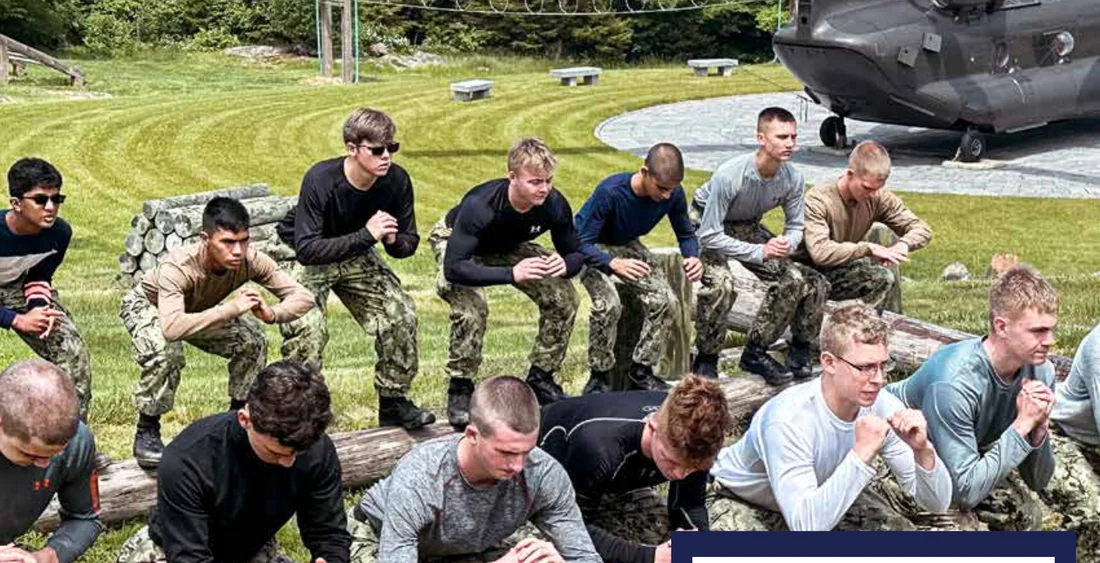
Cadets sometimes just call this "the SEAL one." Log PT, obstacle courses, and team exercises for cadets curious about the Navy SEAL community — a serious taste of the physical and mental discipline behind Naval Special Warfare.
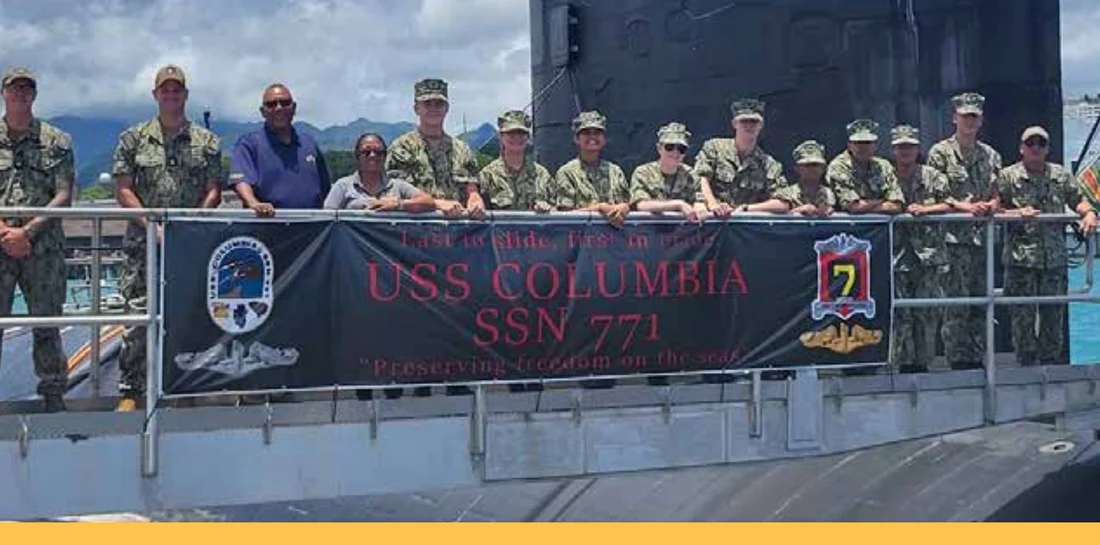
Tour an active submarine, handle real submariner equipment, and visit a Submarine Force museum to see what life under the sea is really like.
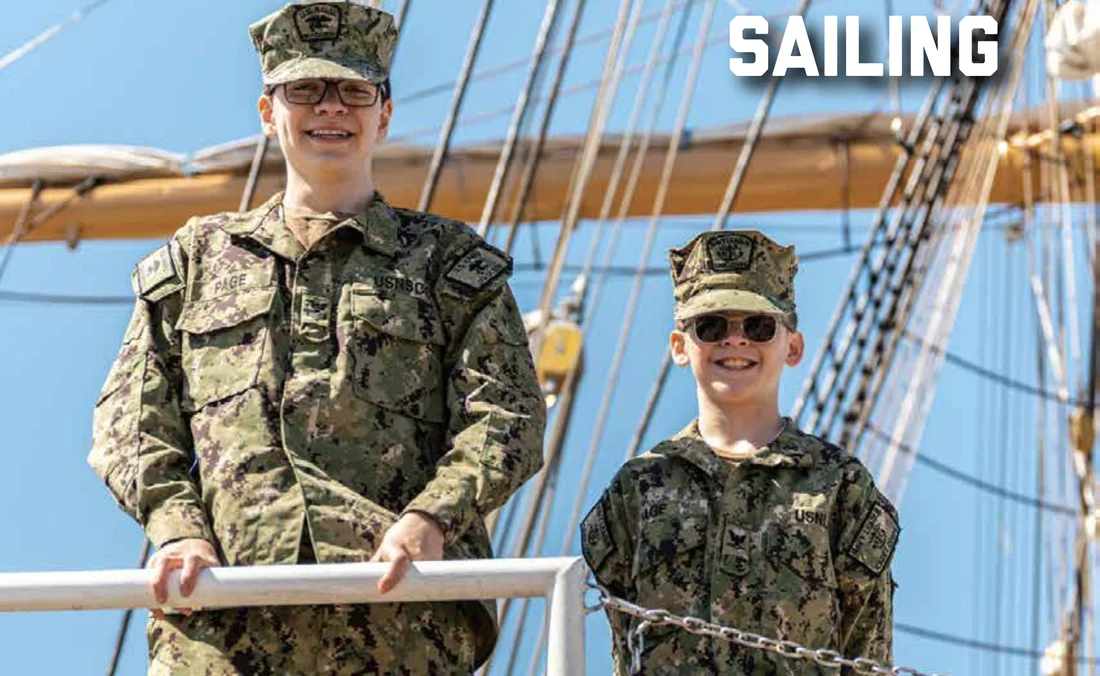
From two-person catamarans to a 131-foot tall ship schooner to 50-foot sailboats off the coast of Maine, cadets learn to sail as a team under a licensed captain.
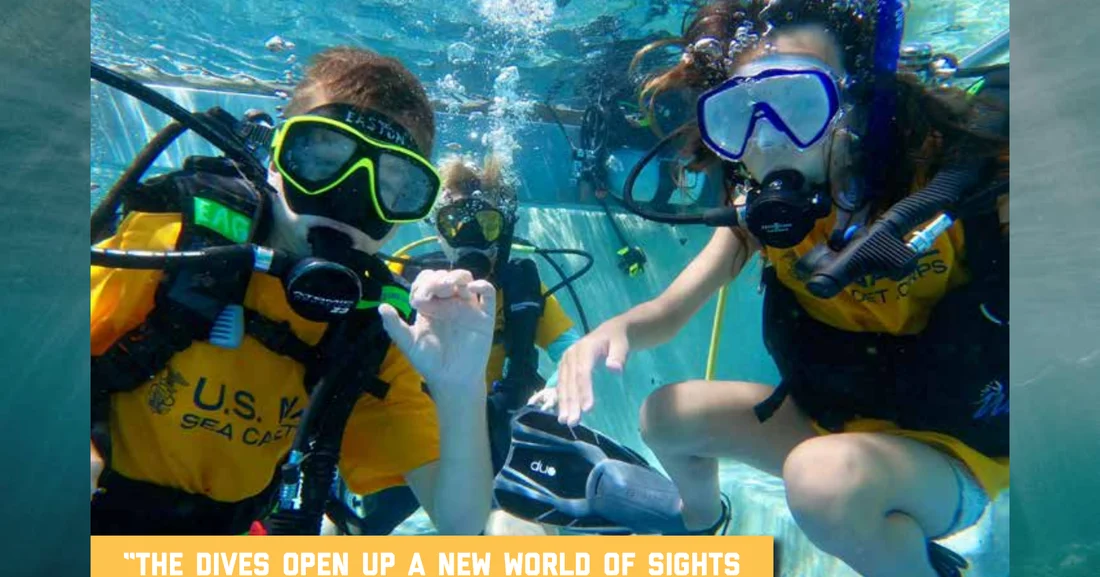
Earn an Open Water Diver certification — pool training followed by real open-water dives up to 60 feet, exploring marine life firsthand.
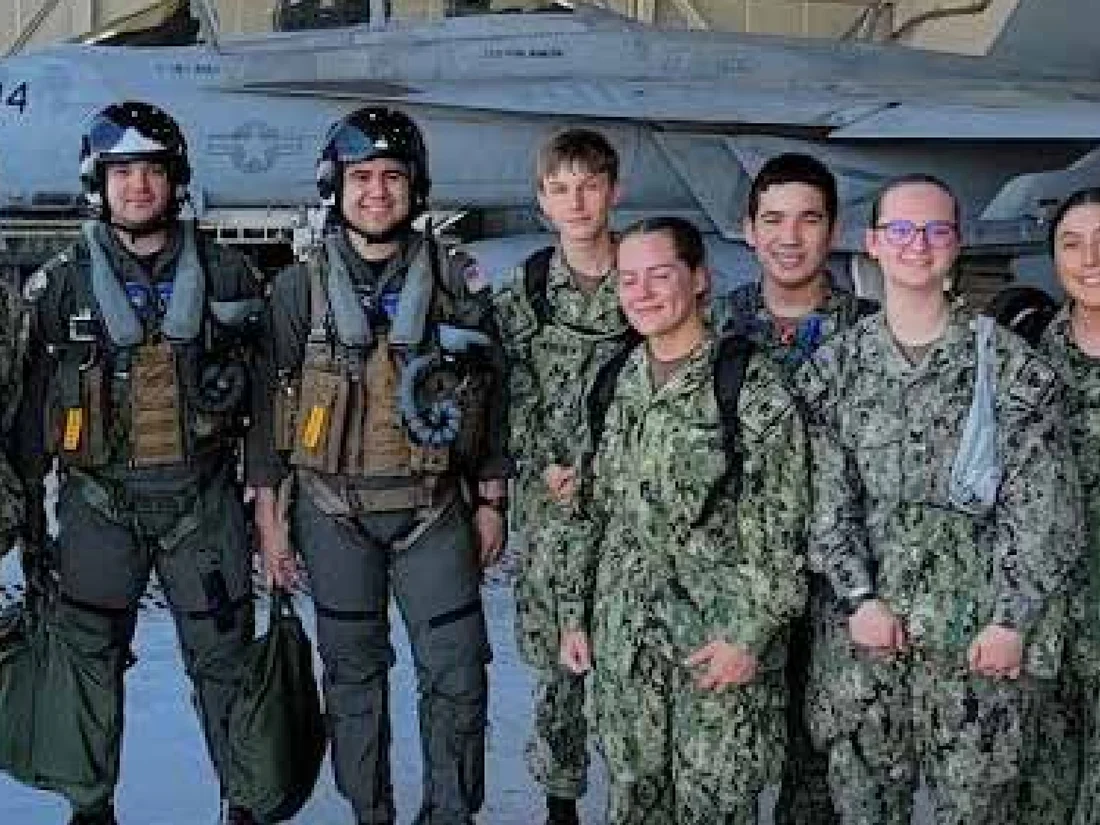
Pre-flight an F/A-18 Super Hornet, live on a Naval Air Station, train on advanced flight simulators, and shadow active-duty Navy airmen on the flight line.
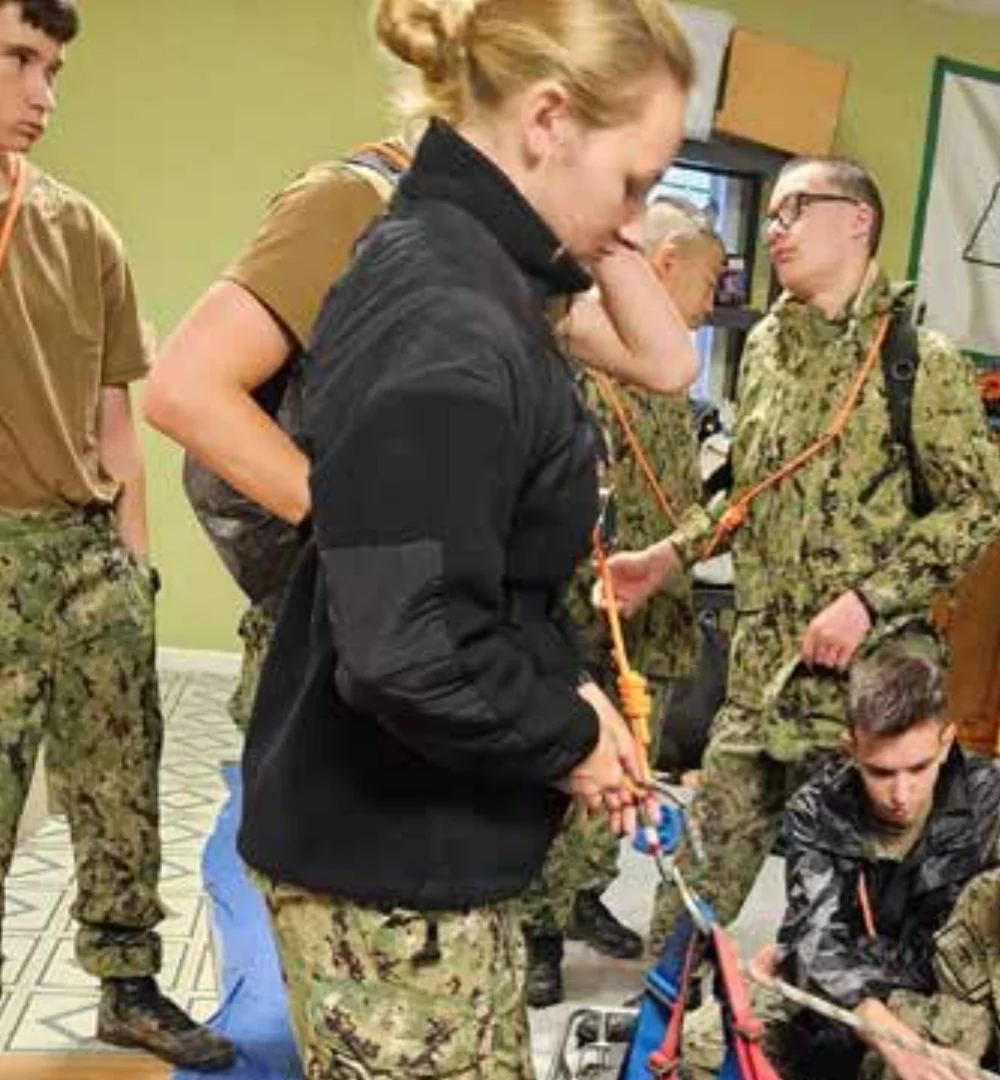
Knot tying, climbing, and rappelling down real cliff faces while learning the rescue skills used by professional rope rescue teams.
America is a maritime nation, and Sea Cadets is the Navy's youth development program for exactly that reason. Water-based training puts the "Sea" in Sea Cadets — most programs require a swim qualification test to ensure cadets are ready.
Live aboard a U.S. Navy ship. Handle ropes, read navigation charts, stand watch, help get the ship underway, and train on shipboard firefighting.
Ship tours, color guard, and community events when active Navy, Marine Corps, and Coast Guard ships dock in major cities — some cadets embark overnight.
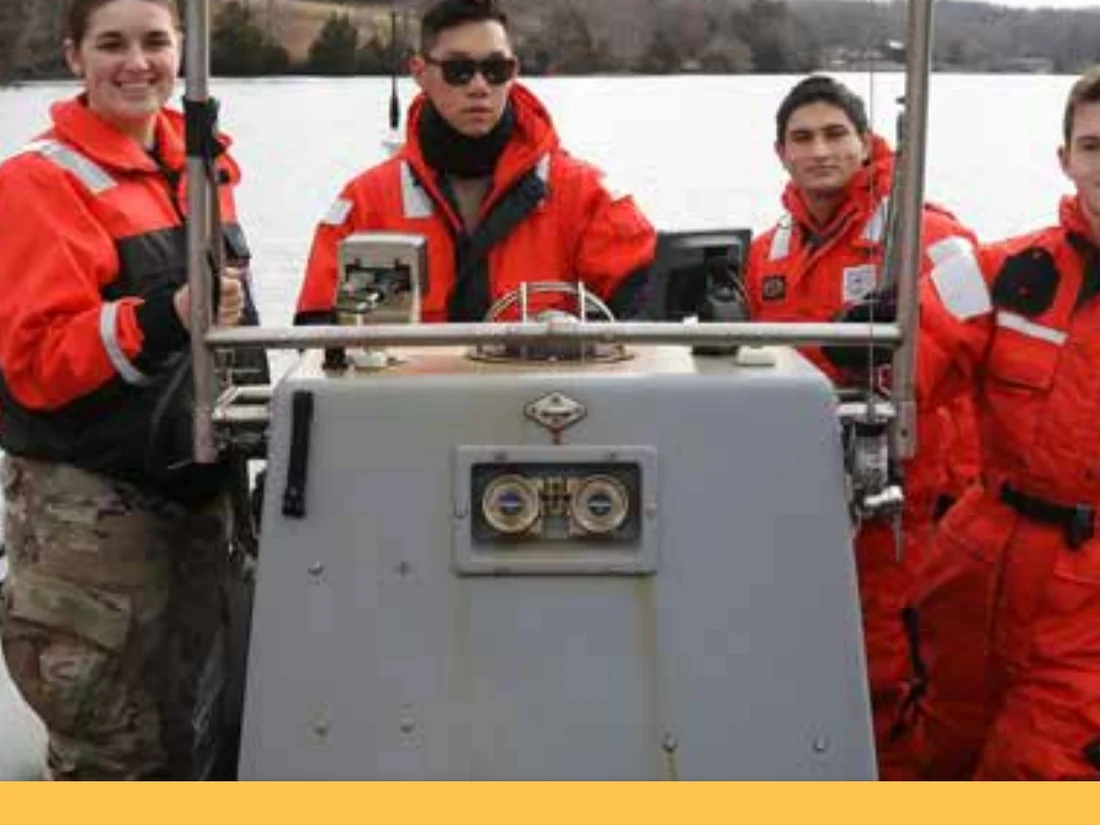
Hands-on boat handling, navigation, and maintenance with Navy ZODIAC boats, plus port security tactics used by the Navy and Coast Guard.
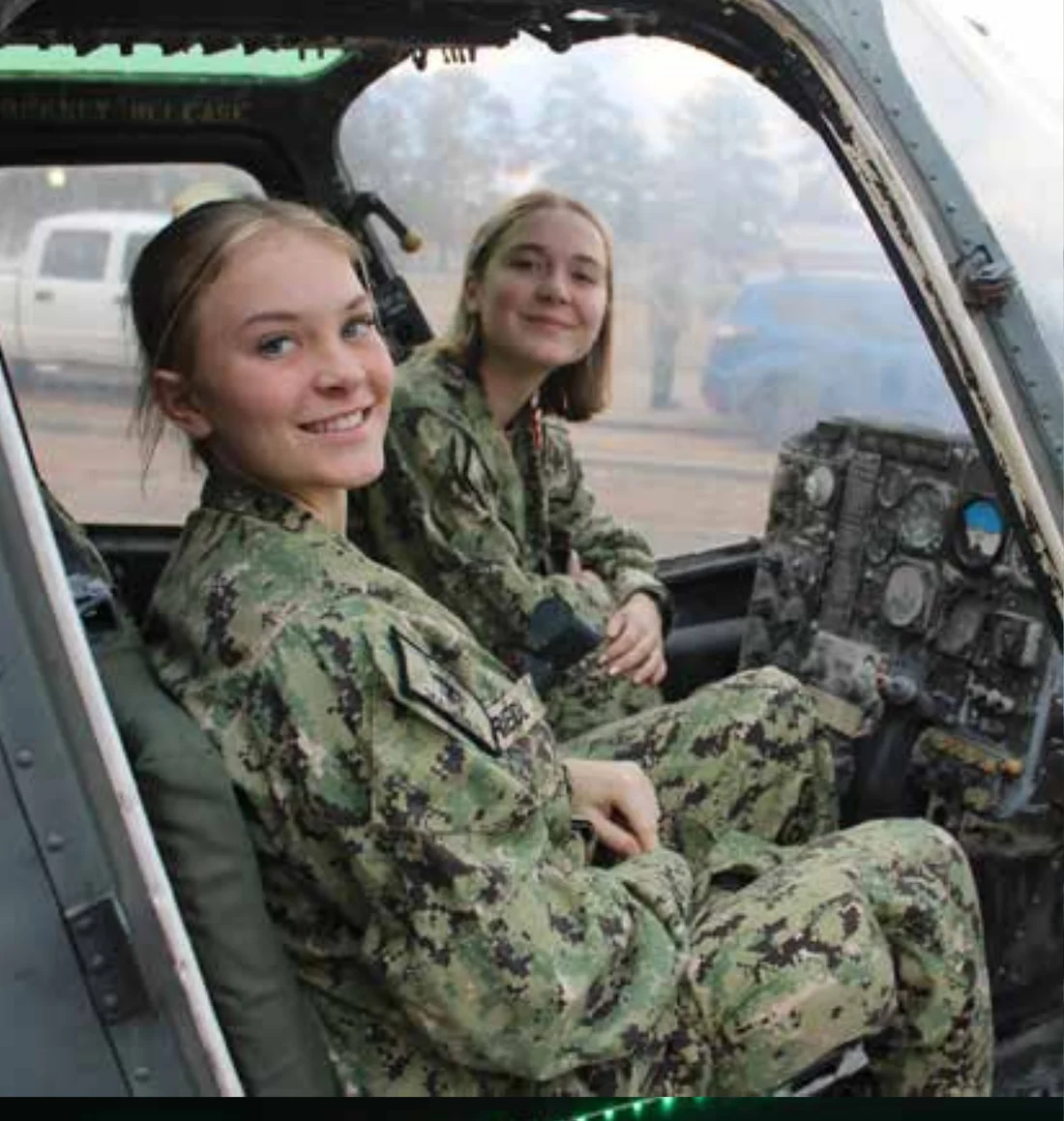
The U.S. Navy operates one of the largest air forces in the world, and it has produced more astronauts than any other branch. For cadets who dream of flight, these programs are a direct look inside naval aviation.
Seven days of hands-on aviation exposure centered on VR flight simulators — a structured introduction for cadets ready to handle complex equipment.
Aboard AMBITION CVT-11, a virtual aircraft carrier in Pensacola, FL, cadets run realistic flight missions that bring STEM skills to life.
Flight dynamics, navigation, weather, and aviation safety — a real foundation toward FAA exams for cadets eyeing a career in the skies.
Hands-on time with real unmanned aircraft systems; cadets 16 and older can work toward the FAA Part 107 commercial drone license.
Land-based training is where cadets explore trades, public service careers, and leadership roles — often working directly alongside Navy, Army, Coast Guard, and civilian professionals.
Trades & Technical Skills
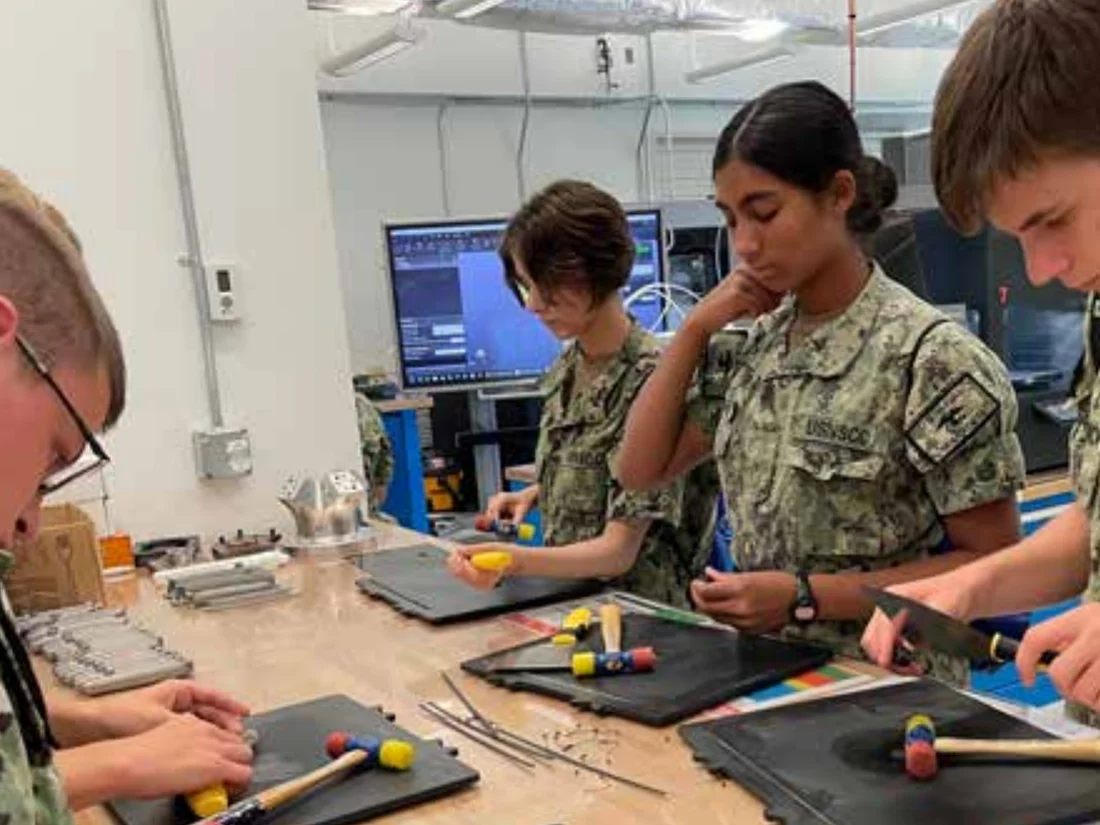
3D printers, CNC machines, and welding at a research institute building next-generation submarines — real in-demand skills for a maritime career.
Hands-on stick and wire welding, equipment setup, and shop safety under a certified instructor — building skills that last well beyond the program.
Work alongside Army trades professionals on real vehicle maintenance and problem-solving, from engines to electrical systems.
Cadets cook alongside real chefs, earn a food handler certification, and take part in a master chef-style challenge.
Circuits, soldering, and block programming — building and piloting underwater ROVs and other hands-on electronics projects.
40+ hours of hands-on first aid, CPR, and AED training through realistic scenarios, with an advanced track in aerospace and flight medicine.
Leadership & Global Opportunities
The Petty Officer and Chief Petty Officer Leadership Academies put cadets in charge — leading teams, solving problems, and managing real tasks.
Cadets have visited Australia, New Zealand, South Korea, Japan, Sweden, and Canada, training alongside cadets from allied nations.
The Naval Academy, West Point, Air Force Academy, and Coast Guard Academy each open summer seminars where cadets live and train like plebes.
Public Safety & Field Skills
Helicopter operations, patrolling, and air assault exercises with Marine Corps instructors, plus map reading, communication, and survival.
Searching, arresting, crowd control, and building clearing alongside working police officers, with a marksmanship qualification opportunity.
Earn a boating safety certificate and take part in real Coast Guard missions — seamanship, boat handling, and mission planning.
There's more beyond these highlights, too — Judge Advocate/Law training with mock trials, Ceremonial and Honor Guard, Music and Band, and the foundational programs every cadet starts with: Navy League Orientation for cadets in grades 5–8, and Recruit Training for cadets of high school age. See how a cadet gets started →
"For cadets like me whose submarine warfare interest is something of a nerdy obsession, this training was the perfect opportunity to translate everything read, heard, or watched about submarines into a firsthand experience."
Sea Cadet POI Luke Villarreal — Submarine Seminar"Everything from the instructors to the 200+ foot cliff face that we rappelled down, I loved it all. My favorite moment was when I was suspended over a 240-foot drop with one of the best views I have ever seen."
Sea Cadet SN Kodie Smith — Rope Rescue"Cadets get to shadow a U.S. Navy airman's every move on the flight line."
Sea Cadet LCDR Eric Thiessen — Aviation"The dives open up a new world of sights and colors and creatures!"
Sea Cadet LCDR Valerie Coulombe — SCUBA CertificationQuotes from cadets nationwide, as published in the U.S. Naval Sea Cadet Corps' 2024 Seafarer: Training Edition magazine.
Every one of these programs starts the same way — with a cadet who joined AMERICA Division. Let's talk about what's next for yours.